Specialist Home Rehabilitation
Stroke Rehab at Home: Specialist Physio & OT
A stroke changes everything in an instant. You do not have to accept "this is as good as it gets." Our private stroke rehabilitation at home combines specialist stroke physiotherapy and occupational therapy to rebuild movement and relearn daily living skills — all in the environment where it matters most.
No waiting list, no GP referral needed. We are not a residential centre — our therapists come to you, providing stroke physiotherapy at home across Hampshire, Dorset and Wiltshire.
How We Help After a Stroke
Mobility & Walking
Gait re-education and balance training
Arm & Hand Recovery
Upper limb strengthening and fine motor skills
Daily Living Skills
Washing, dressing, and personal care
Home Safety
Equipment and environment adaptations
Understanding Stroke Recovery
A stroke occurs when blood supply to part of the brain is interrupted, damaging brain cells and disrupting the signals that control movement, speech, and daily function. The effects vary enormously — some people experience weakness on one side of the body, difficulty walking, or problems with balance and coordination. Others find that everyday tasks like washing, dressing, or making a meal become impossible without help.
The brain has a remarkable ability to rewire itself — a process called neuroplasticity. This means that with the right type of repetitive, targeted practice, new neural pathways can form to bypass damaged areas. The earlier rehabilitation begins, the more effectively this process works, though improvements can continue for months and even years after a stroke.
For families, the period after a stroke can feel overwhelming. Hospital discharge often comes sooner than expected, NHS community therapy may involve waiting lists, and it is difficult to know what to do next. Private stroke rehabilitation at home provides a clear path forward — specialist therapy that starts when you need it, not when a waiting list allows. The cost of private stroke rehabilitation starts from £60 per home visit, with no contracts or minimum commitments — see our full pricing.
The "Whole Person" Approach to Stroke Recovery
Most services treat the arm or the leg. We treat the whole person. By combining neuro physiotherapy and occupational therapy, we ensure your loved one builds the physical strength to move and the practical skills, emotional confidence, and daily routines to live independently again. Recovery after a stroke is not just physical — it involves rebuilding confidence, managing anxiety, and rediscovering purpose through activities that genuinely matter. This coordinated approach is genuinely unusual — most private providers offer one discipline or the other, not both.
Comprehensive Assessment
We begin with a detailed home visit to understand the physical and cognitive challenges following a stroke. Our therapist assesses movement, safety, and the home environment to establish a clear baseline.
A Tailored Care Plan
Generic exercises rarely work. We create a personalised plan built around the activities that matter most to your loved one — whether that is walking to the garden, making a meal independently, or returning to a favourite hobby. Rehabilitation through meaningful tasks builds motivation and accelerates progress.
Effective Recovery
Stroke rehabilitation relies on repetition of purposeful tasks. By practising the activities your loved one wants to do again — in the place they actually live — we help rebuild neural pathways faster while restoring a sense of achievement and daily structure.
How Our Team Helps with Stroke Recovery at Home
By combining physiotherapy (movement and strength) with occupational therapy (daily living and home safety), we deliver a complete rehabilitation programme — not just exercises.
Physiotherapy: Rebuilding Movement & Strength
Our neuro physiotherapists use targeted stroke exercises to stimulate the brain and bypass damaged areas. We create the physical foundation needed to regain strength, improve movement, and restore confidence.
- Gait & Mobility Re-education — We analyse your walking pattern to correct abnormalities caused by weakness, improving speed, step quality, and safety indoors and outdoors.
- Tone & Spasticity Management — Specific handling, stretching, and positioning to relieve muscle stiffness and spasms, reducing pain and allowing greater movement.
- Upper Limb Recovery — Intensive, repetitive exercises to "wake up" dormant muscles in the arm and shoulder, restoring function for everyday tasks.
- Balance & Core Stability — Strengthening trunk and core muscles for sitting and standing balance, the foundation for preventing falls.
- Strength & Conditioning — Building physical endurance to combat post-stroke fatigue and increase participation in daily activities and recovery.
Occupational Therapy: Reclaiming Daily Life
Our OTs bridge the gap between "recovering movement" and "reclaiming your life." We look beyond the physical to address emotional wellbeing, cognitive challenges, and the daily routines that give life its structure and meaning — helping your loved one rebuild independence, confidence, and a sense of purpose.
- Personal Care & Transfers — Retraining techniques to wash, dress, and manage personal care through the tasks themselves — because every small thing your loved one can do independently rebuilds self-worth and reduces reliance on carers.
- Adapting the Living Environment — Home assessments to identify hazards and help navigate kitchen, bathroom, and living spaces safely. See our home adaptations service.
- Hand Therapy (Upper Limb) — Targeted therapy for hands and fingers through the activities that matter to your loved one — holding cutlery, writing a card, fastening buttons — because rehabilitation through meaningful tasks is more effective and more motivating than abstract exercises.
- Cognitive & Emotional Resilience — Practical strategies to manage post-stroke fatigue, memory difficulties, anxiety, and the emotional impact of sudden change. We work on building confidence gradually, helping your loved one develop coping strategies and regain a sense of control. For ongoing cognitive changes, see our dementia support services.
- Equipment Prescriptions — Expert advice on grab rails, perching stools, and specialist seating to make daily living easier and safer immediately.
Stroke Recovery Timeline
Every stroke is different, so timelines vary. However, understanding the general stages of recovery helps families know what to expect and where private therapy makes the biggest difference.
Early Days
Hospital-based acute care and early mobilisation. This is when the brain is most receptive to change. If your loved one is nearing discharge, this is the ideal time to arrange home therapy so there is no gap in rehabilitation.
Rapid Recovery
The most significant gains often happen in these early weeks. Intensive home physio and OT during this window capitalises on the brain's heightened neuroplasticity. We focus on mobility, transfers, and regaining basic daily living skills.
Continued Progress
Improvements continue as exercises become more challenging. This is when NHS community therapy often ends, but private rehabilitation can keep the momentum going — working on walking confidence, upper limb function, and gradually rebuilding the daily routines and purposeful activities that give life its structure and meaning.
Long-Term Gains
Research shows that meaningful improvements can continue well beyond six months. Many families see ongoing progress with regular, targeted therapy — particularly for upper limb recovery and fine motor skills. It is never "too late" to benefit from stroke rehabilitation.
Why Private Stroke Rehabilitation Works Best at Home
Hospital gyms are valuable for early recovery, but you cannot learn to live in your own home by practising in a clinic. Successful stroke recovery relies on neuroplasticity — and neuroplasticity happens fastest when tasks are meaningful.
When a stroke physiotherapist treats your parent in their own environment, they practise on their stairs and with their furniture. Your OT assesses the actual bathroom, the real kitchen, the chair they sit in every day. Every recommendation is practical and specific, not theoretical.
Home visits also remove the barrier of travel — which for someone recovering from a stroke can be exhausting or impossible. And because family members are present, we can empower them to support recovery between sessions — not by doing everything for your loved one, but by learning how to encourage participation in the meaningful daily tasks that build independence and confidence.
Working Alongside Your Existing Team
Stroke recovery often involves a multidisciplinary team. We provide physiotherapy and occupational therapy, and we work alongside other professionals your loved one may already have in place.
If your parent needs speech and language therapy, dietetics, or psychological support, we can coordinate with your NHS team or recommend private specialists to ensure a joined-up approach. We also communicate with GPs, consultants, and care home staff where appropriate.
Many of our therapists also hold NHS positions, which means they understand the system and can help you navigate it. Private stroke rehabilitation does not replace NHS care — it supplements and extends it, filling the gaps where waiting lists and limited session numbers leave families without the support they need.
For Families Arranging Stroke Care
If you are a son or daughter researching stroke rehabilitation for a parent, you are not alone. Many of the families we work with are arranging care from a distance, unsure where to turn after hospital discharge. The volume of information can be overwhelming.
Our Clinical Director personally answers most calls. They will listen to your situation and advise honestly — whether that means our team, the NHS, or a different approach entirely. There is no obligation and no sales pressure. If you are unsure whether private stroke rehab is the right step, a phone call is the easiest way to find out.
What Families Say About Our Stroke Rehabilitation
Independent reviews from families we have helped. Read all our 5-star Google reviews.
"I highly recommend Medella Home Physio. They have been looking after my father after a series of small strokes with kindness, compassion & encouragement that has seen him progress both physically & mentally. They have communicated with the care home staff to ensure they understand his needs, and have helped me with finding suitable wheelchair options when I was totally overwhelmed with the choices available."
Fiona Ball
Google Review
"My daughter contacted Medella for advice after my major surgery and stroke. The receptionist was extremely helpful and felt Seena would be the right physiotherapist to help me. Seena has given a sympathetic but firm approach encouraging me to regain movement in both my arms and to also strengthen my legs. Her knowledge and expertise have been invaluable and her exercises gentle but challenging. I would highly recommend her."
Wendy Brightman
Google Review
"My Mum-in-Law has really appreciated the lovely physios at Medella. She says they "push me hard in a good way" and have helped her maximise her mobility after a stroke."
Romy Murray
Google Review
Stroke Rehabilitation Home Visit Pricing
Private stroke physiotherapy and occupational therapy from £60 per home visit. Your initial assessment (£120, 60-90 minutes) includes a comprehensive physical and functional evaluation, a written report, and a personalised rehabilitation plan.
There are no contracts or minimum commitments. Most families start with an initial assessment, then agree a treatment plan based on goals and budget. We invoice monthly in arrears with no upfront payment.
£120
Initial Assessment
60-90 minutes
£60
30-min Follow-up
30 minutes
£90
45-min Follow-up
45 minutes
Stroke Physio & OT Across Hampshire, Dorset & Wiltshire
We provide specialist stroke physiotherapy and occupational therapy home visits throughout the region. Whether you need stroke care at home in Salisbury, Bournemouth, or Southampton, our neuro-trained therapists travel to you — whether you are in a city apartment or a New Forest cottage.
Areas we regularly visit include: Southampton, Bournemouth, Poole, Salisbury, Ringwood, Christchurch, Lymington, Romsey, Wimborne, Ferndown, and the surrounding villages. Cannot see your location? Call us — we likely cover your area.
See All Areas We CoverMeet Our Stroke Rehabilitation Specialists
We do not use junior staff. Our team averages 20+ years of clinical experience, and many hold concurrent NHS neuro positions. View all team profiles.
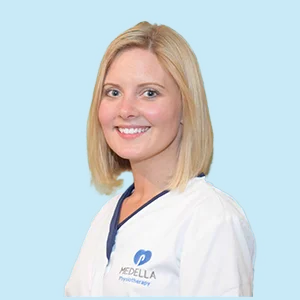
Naomi Patrick
Clinical Director & Senior Physiotherapist
Physiotherapy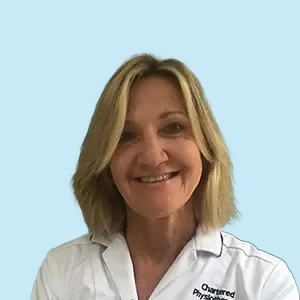
Julia Pervin
Senior Physiotherapist
Physiotherapy
Seena Thomas
Senior Physiotherapist
Physiotherapy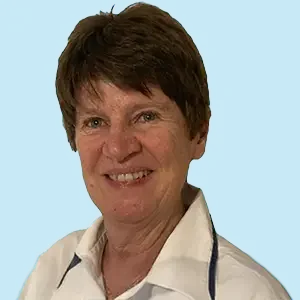
Naomi Gibson
Senior Physiotherapist
Physiotherapy
Lucy Chaldecott
Senior Physiotherapist
Physiotherapy
Libby Jarman
Senior Physiotherapist
PhysiotherapyHelpful Resources for Stroke Recovery
Hospital Discharge Guide
10 Tips for Coming Home After a Stroke or Fall
Our most-read guide: practical steps to prepare the home for a loved one returning from hospital.
Read the Guide →Improving Mobility & Reducing Care Costs
An 82-year-old gentleman faced a future dependent on two carers. See how home physio helped him regain the ability to stand, reducing his care needs significantly.
Read Full StoryGetting Home Faster
After a dense stroke, this patient was stuck in hospital waiting for a complex care package. Our intervention helped him return home to his wife months earlier than expected.
Read Full StoryFrequently Asked Questions About Stroke Recovery
When should stroke rehab start?
As soon as your loved one is medically stable. The brain is most receptive to rehabilitation in the early weeks and months after a stroke. If they are about to be discharged from hospital, contact us before they come home so there is no gap between hospital and home therapy. That said, improvements can still be made months and even years post-stroke, so it is never too late to start.
Do you treat all types of stroke?
Yes. Whether the stroke was caused by a clot (ischaemic), bleeding in the brain (haemorrhagic), or was a “mini-stroke” (TIA), our rehabilitation principles remain the same. We focus on your loved one’s specific symptoms and goals. If their recovery requires speech therapy or dietetics, we can work alongside your existing NHS team or recommend private specialists.
How long does stroke recovery take?
This varies enormously depending on the severity of the stroke and the individual. The most rapid progress typically happens in the first three to six months, but meaningful improvements can continue well beyond that with regular therapy. We set clear, measurable goals and review progress regularly so you always know how things are going.
Can you help with arm weakness?
Yes. Upper limb recovery is a core part of our stroke rehabilitation. Our physiotherapists use intensive, repetitive exercises to stimulate dormant neural pathways, while our occupational therapists work on the functional hand skills needed for daily tasks like eating, writing, and getting dressed. Progress depends on the extent of the damage, but most patients see meaningful improvements with consistent therapy.
What is the difference between home rehab and a residential stroke centre?
Residential stroke centres offer intensive, inpatient programmes — typically for severe strokes requiring 24-hour supervision. Home-based stroke rehabilitation is designed for patients who are medically stable and living at home or in a care home. The advantage of home rehab is that you practise real-life tasks in your actual environment, which research shows accelerates neuroplasticity and functional recovery. Many families choose home physio and OT to continue progress after an inpatient stay, or instead of residential care when the stroke was mild to moderate.
How do I fund private stroke rehabilitation?
Most families self-fund, paying per session with no contract. Some private medical insurance policies cover home physiotherapy — check with your insurer. If a solicitor or case manager is involved (for example, following a road traffic accident), we can provide treating therapist reports for medico-legal cases. See our full pricing for current rates.
Start Stroke Recovery at Home
Do not wait for a waiting list. Contact us today for a free, no-obligation chat with our Clinical Director. They will listen to your situation and advise honestly on whether home stroke rehabilitation is right for your family.